
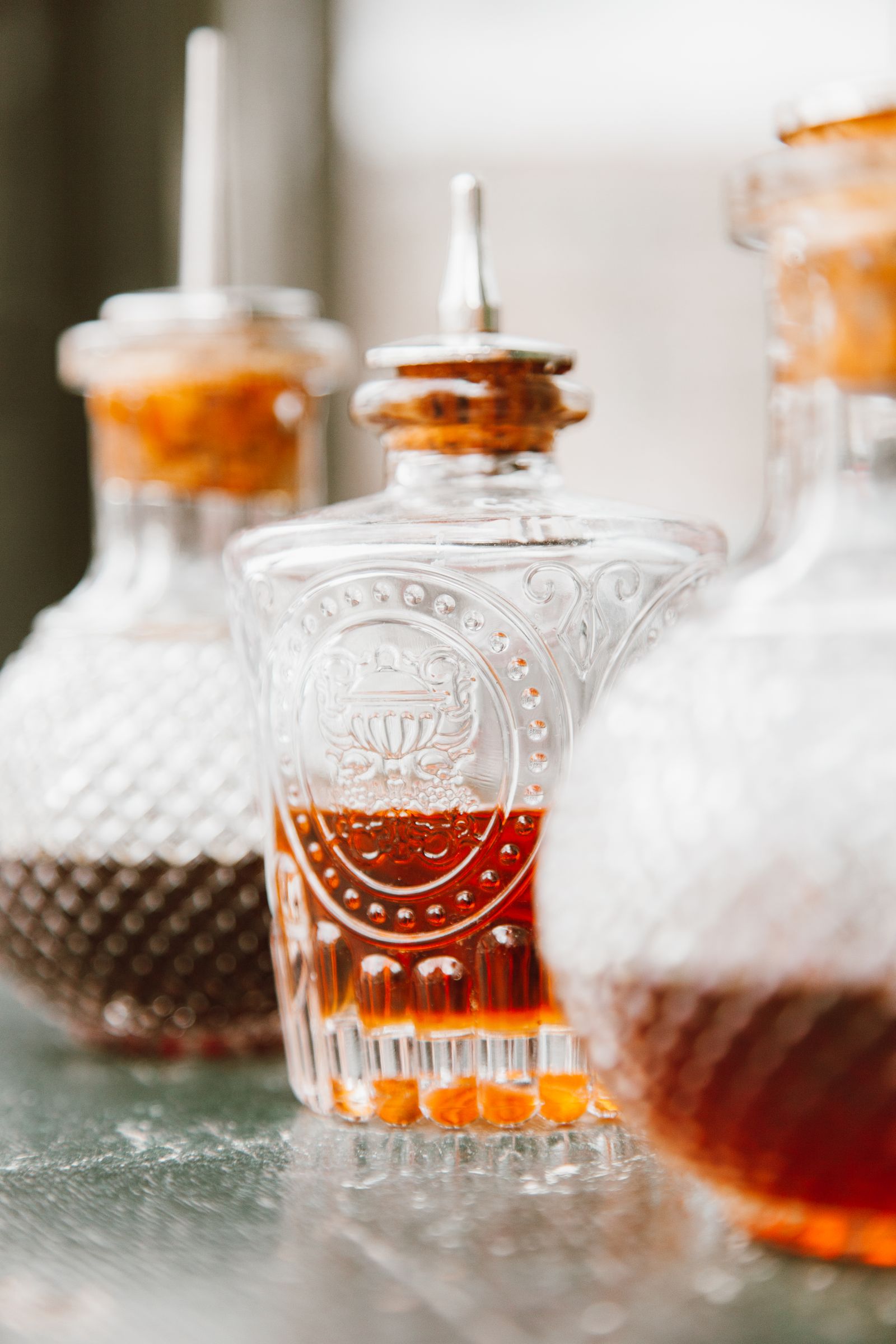
Most vinegar is made. Vinagre de Jerez is waited on.
It sits in the same American oak barrels used for Sherry wine, in the same cellars, going nowhere for years at a time, while somebody who isn’t in a hurry decides when it’s ready. Nobody rushes a barrel into bottling because a shipment is due. That’s not how it’s done in Jerez de la Frontera, and it never has been. Nothing worth having comes fast — and a vinegar that’s spent a decade in the dark, quietly turning wine into something else entirely, is proof of it.
The Sherry Triangle
Draw a line between three towns in the province of Cádiz — Jerez de la Frontera, El Puerto de Santa María, and Sanlúcar de Barrameda — and you’ve drawn the Sherry Triangle, the only patch of Andalusia where true Vinagre de Jerez can legally be made. A handful of neighboring municipalities (Trebujena, Chipiona, Rota, Chiclana de la Frontera, Puerto Real, Lebrija) fall inside the wider protected zone as well, but the three original towns are where the tradition took root. The vinegar has carried its own Denominación de Origen since 1995 — one of the first vinegars anywhere in the world to earn that kind of protection — with the same Consejo Regulador that oversees Sherry wine now watching over the vinegar too, since 2000.
That’s not a coincidence. Vinagre de Jerez starts life as Sherry wine — the same Palomino Fino grape that fills well over ninety percent of the region’s vineyards, sometimes joined by Pedro Ximénez or Moscatel de Alejandría. Left alone, that wine would simply turn to vinegar on its own, the way any wine does when it meets oxygen and the right bacteria. What makes this vinegar different isn’t the turning. It’s everything that happens after.
The Solera: A System Built on Patience
Sherry and its vinegar age the same way, in a method called the solera — or, more completely, the criadera y solera system. Picture rows of American oak barrels stacked in tiers. The bottom row, the oldest, is the solera itself: what actually gets bottled. Above it sit the criaderas, each one younger than the row beneath it, all the way up to the newest barrels at the top, freshly filled with this year’s wine.
Nobody empties a barrel all at once. A bodega worker draws off only a portion of the solera — the saca — and that space gets refilled from the criadera just above it, which is topped up in turn from the row above that, and so on up the stack. It’s called rociar, “to wash down,” and it’s really a kind of inheritance: the oldest barrel never runs dry, because it’s constantly receiving a little of what’s younger, and the youngest wine is never bottled alone, because it’s blended into something with real memory behind it. No single vintage ever defines the vinegar in the bottle. Every bottle carries a little of every year that came before it, going back further than anyone currently working the bodega can say for certain.
That’s also why age statements on Vinagre de Jerez mean something specific. Spanish law recognizes three tiers, each tied to a legal minimum time in barrel: standard Vinagre de Jerez ages at least six months, bright and sharp, built for everyday use. Reserva spends a minimum of two years in the solera, deepening in color and picking up real oak character along the way. Gran Reserva — the one we reach for when a dish deserves it — ages a minimum of ten years, sometimes far longer, until what started as wine has turned into something closer to a dark, syrupy, almost meaty concentrate, closer in spirit to a fine aged spirit than to anything most people picture when they hear the word “vinegar.”
At Our Table
A vinegar this patient doesn’t belong buried behind the oil bottles. It belongs on the table, doing real work.
Standard Vinagre de Jerez is the one that goes into gazpacho and ajoblanco, those cold Andalusian soups that live or die on a sharp, clean edge of acidity — a splash at the end wakes the whole bowl up. Salmorejo, that thicker, more concentrated Córdoba cousin of gazpacho, leans on it just as hard. It builds a proper vinaigrette without the harshness some wine vinegars bring, and it’s the traditional finish for pickled game and marinated oily fish, where its rounder profile softens what would otherwise be too aggressive.
Reserva earns its place in the pan. Deglaze with it after searing meat, and it lifts every browned bit off the bottom while adding an oak-toned depth no plain wine vinegar offers — the backbone of countless Spanish reduction sauces served alongside roasted meats and stews.
Gran Reserva we treat differently. It isn’t stirred into anything. It’s tasted — a few drops on a spoon, the way you’d taste a fine old Sherry itself, or drizzled directly over a wedge of aged cheese, seared foie gras, or good vanilla ice cream, where its concentrated sweetness and acidity do more in three drops than most bottles do in three tablespoons. Ten years asked to become this. The least we can do is not rush the last inch of the journey.